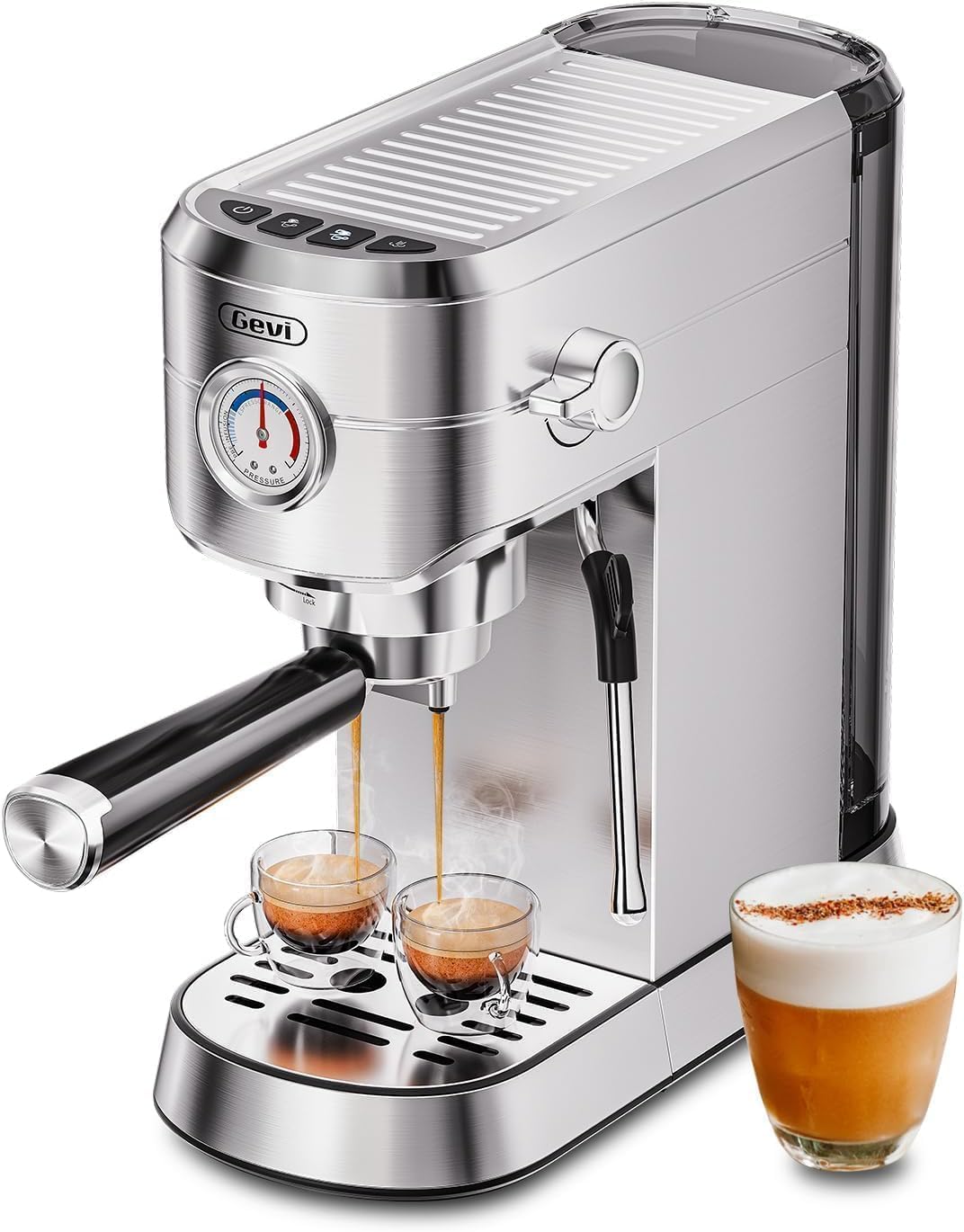
Gevi Commercial Espresso Machine
Our strongest starting point because its steam capability represents a useful machine type to compare against the workflow and utility requirements above.
A third group adds simultaneous brewing capacity, but only if staffing, grinders and milk workflow can feed it. Many specialty shops are better served by a strong 2-group machine than a larger 3-group chassis that occupies counter space and electrical capacity.
Count the rush, not average daily cups. If two baristas are already limited by milk steaming or grinder throughput, another group may not increase finished drinks.
Most machines in this guide are compact or superautomatic rather than true 2/3-group café workhorses. For a high-volume café needing multiple groups, buy through a commercial espresso dealer with installation and service.
For “2-Group vs. 3-Group Espresso Machine: How Many Groups Does a Café Need?,” these three models give you concrete products to compare against the requirements above, instead of leaving the answer at theory.

Our strongest starting point because its steam capability represents a useful machine type to compare against the workflow and utility requirements above.

A useful second comparison because its semi-automatic design represents a different workflow to compare against the requirements above.

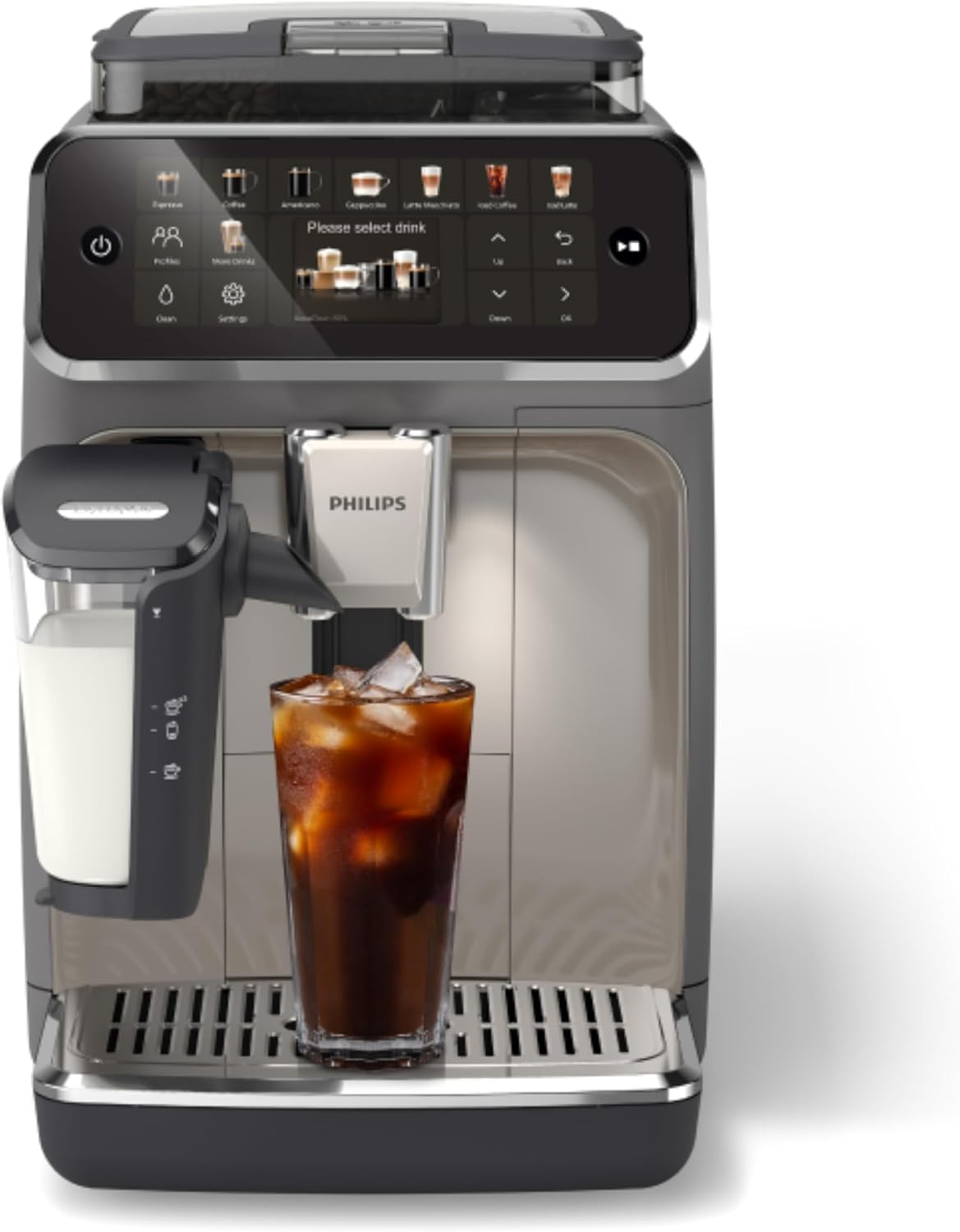
A contrasting third option because its integrated milk system represents a different workflow to compare against the requirements above.