
BEST PROFESSIONAL
LEM BigBite #32
Our strongest starting point because 1.5 HP • #32 head gives you a real capacity reference while Rated around 17 lb/min shows the format you are comparing.
1.5 HP • #32 headRated around 17 lb/min
Check →
Size pounds-per-minute capacity around the busiest real prep window. For example, a shop that must grind 300 pounds in 30 minutes needs at least 10 lb/min in ideal math, and sensible headroom above that for loading, trimming and real-world variation.
Use peak pounds ÷ available grinding minutes, then add margin. Do not size from average daily volume: a business may process only 400 pounds a day but still need most of it finished before opening.
Manufacturers test under particular meat temperature, plate and feeding conditions. Warm product, sinew, dull plates or repeated regrinding can lower output, so buy capacity with breathing room.
For “How Many Pounds per Minute Should a Commercial Meat Grinder Process?,” these three models give you concrete products to compare against the requirements above, instead of leaving the answer at theory.
Our strongest starting point because 1.5 HP • #32 head gives you a real capacity reference while Rated around 17 lb/min shows the format you are comparing.
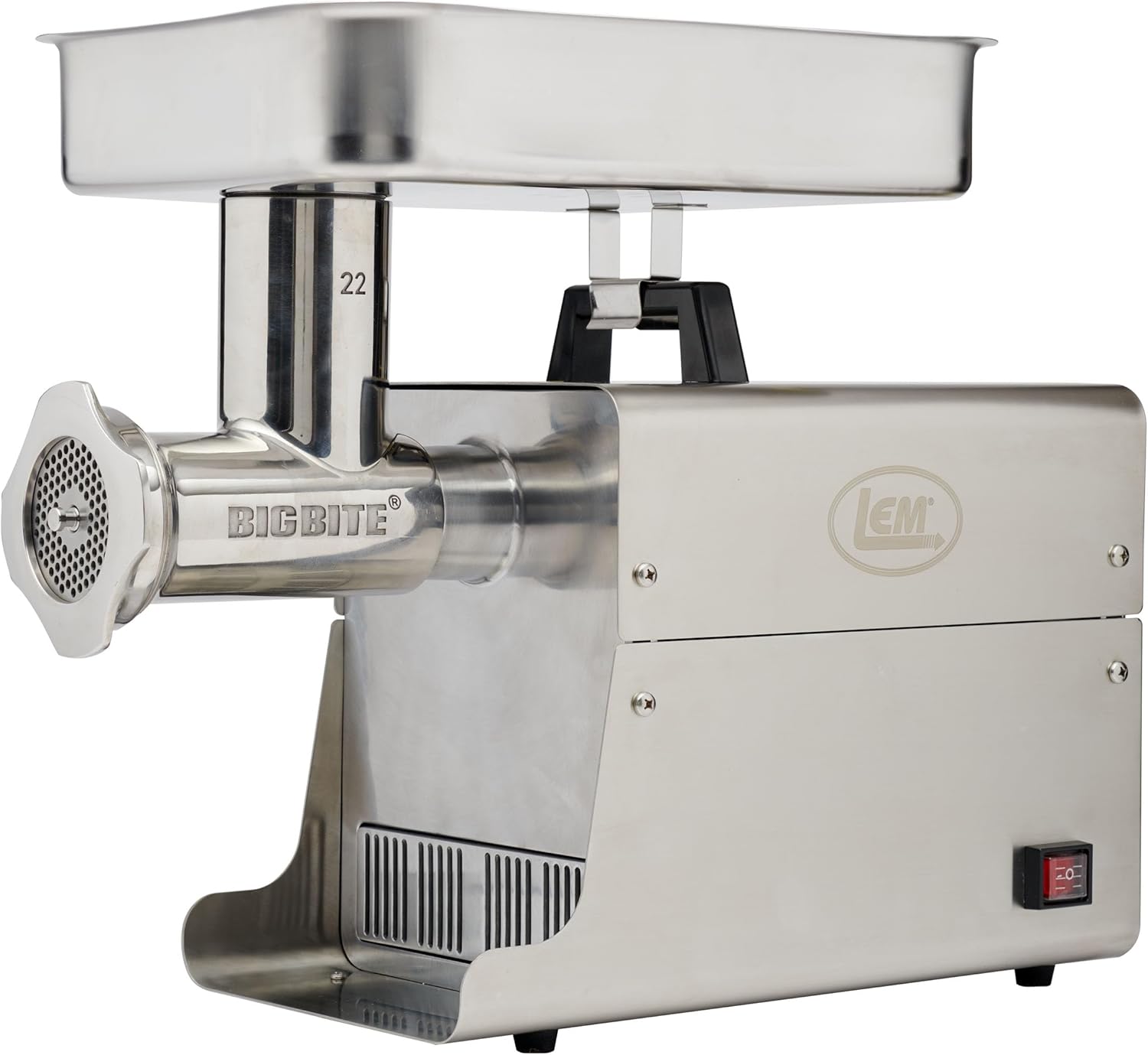
A useful second comparison because 1.0 HP • #22 head gives you a real capacity reference while Rated around 13 lb/min shows the format you are comparing.

A contrasting third option because 0.75 HP • #12 head gives you a real capacity reference while Rated around 11 lb/min shows the format you are comparing.