THE SPEC EXPLAINER

Does a Commercial Meat Grinder Need a Reverse Function?

Reverse is useful for backing out some auger jams, but it is a convenience feature—not a substitute for proper trimming, chilled meat and sharp knives and plates. A grinder can be excellent without reverse if the feed system is well designed.

When reverse earns its keep

Operations processing sinewy trim or varied cuts may appreciate a quick way to relieve a bind without full disassembly. It can reduce downtime during a busy batch when the problem is minor.

What matters more than reverse

Good plate/knife condition, correct assembly and controlled feeding have a bigger impact on day-to-day grinding. Prioritize throughput, head size and duty cycle first, then treat reverse as a secondary feature.

What to check before buying

  • Whether reverse is included
  • Jam-clearing procedure
  • Knife/plate maintenance
  • Ease of disassembly
PRODUCTS THAT FIT THIS QUESTION

Three products worth comparing

For “Does a Commercial Meat Grinder Need a Reverse Function?,” these three models give you concrete products to compare against the requirements above, instead of leaving the answer at theory.

VEVOR Commercial #32
BEST BUDGET HIGH-OUTPUT

VEVOR Commercial #32

Our strongest starting point because 1100W / 1.5 HP class and #32 head • high-output format give the buyer two concrete traits to verify against this requirement.

1100W / 1.5 HP class#32 head • high-output format
Check →
VEVOR Commercial #22
BEST BUDGET #22

VEVOR Commercial #22

A useful second comparison because 750W / 1.0 HP class and #22 head give the buyer two concrete traits to verify against this requirement.

750W / 1.0 HP class#22 head
Check →
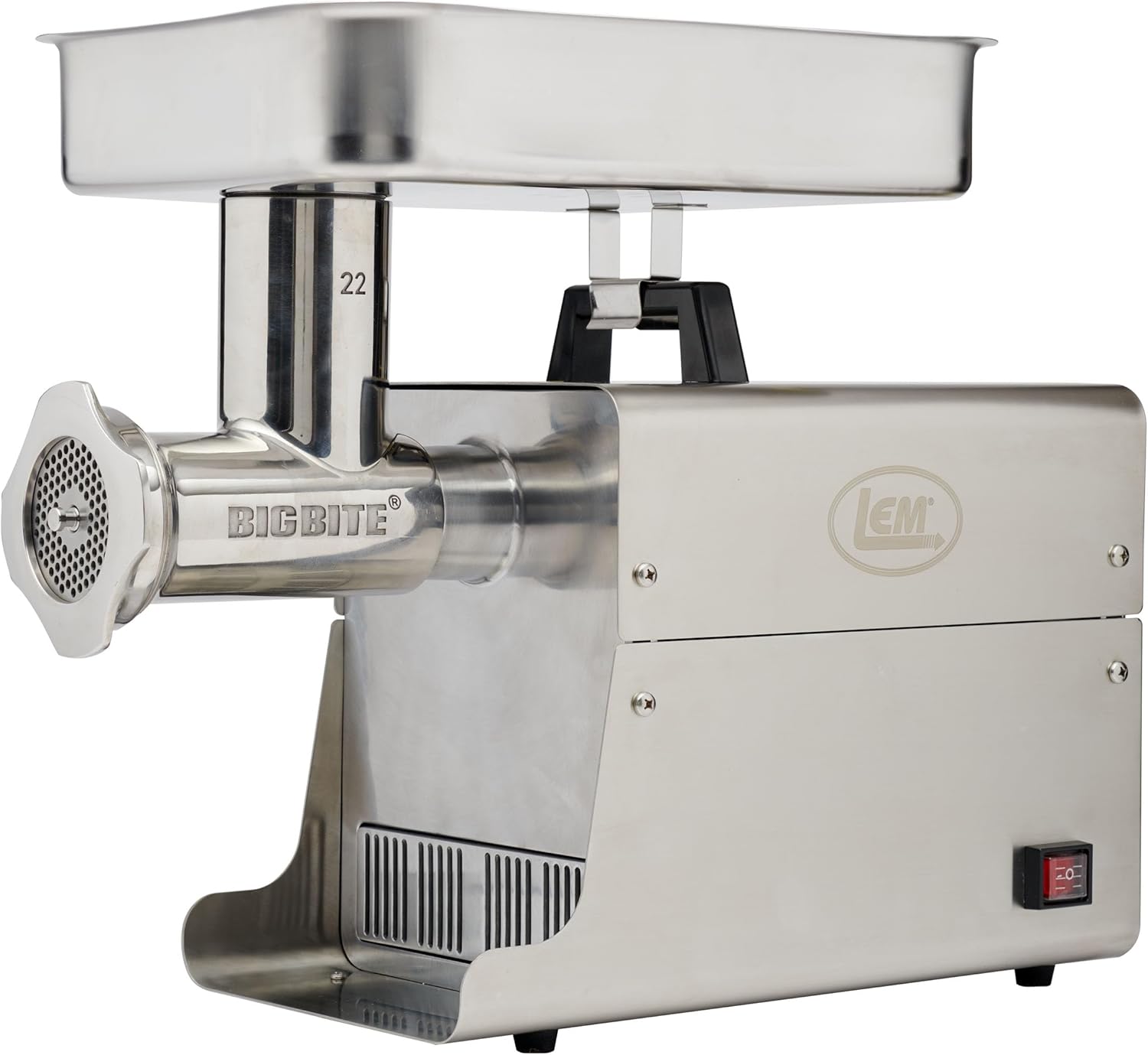
LEM BigBite #22
BEST OVERALL

LEM BigBite #22

A contrasting third option because 1.0 HP • #22 head and Rated around 13 lb/min give the buyer two concrete traits to verify against this requirement.

1.0 HP • #22 headRated around 13 lb/min
Check →