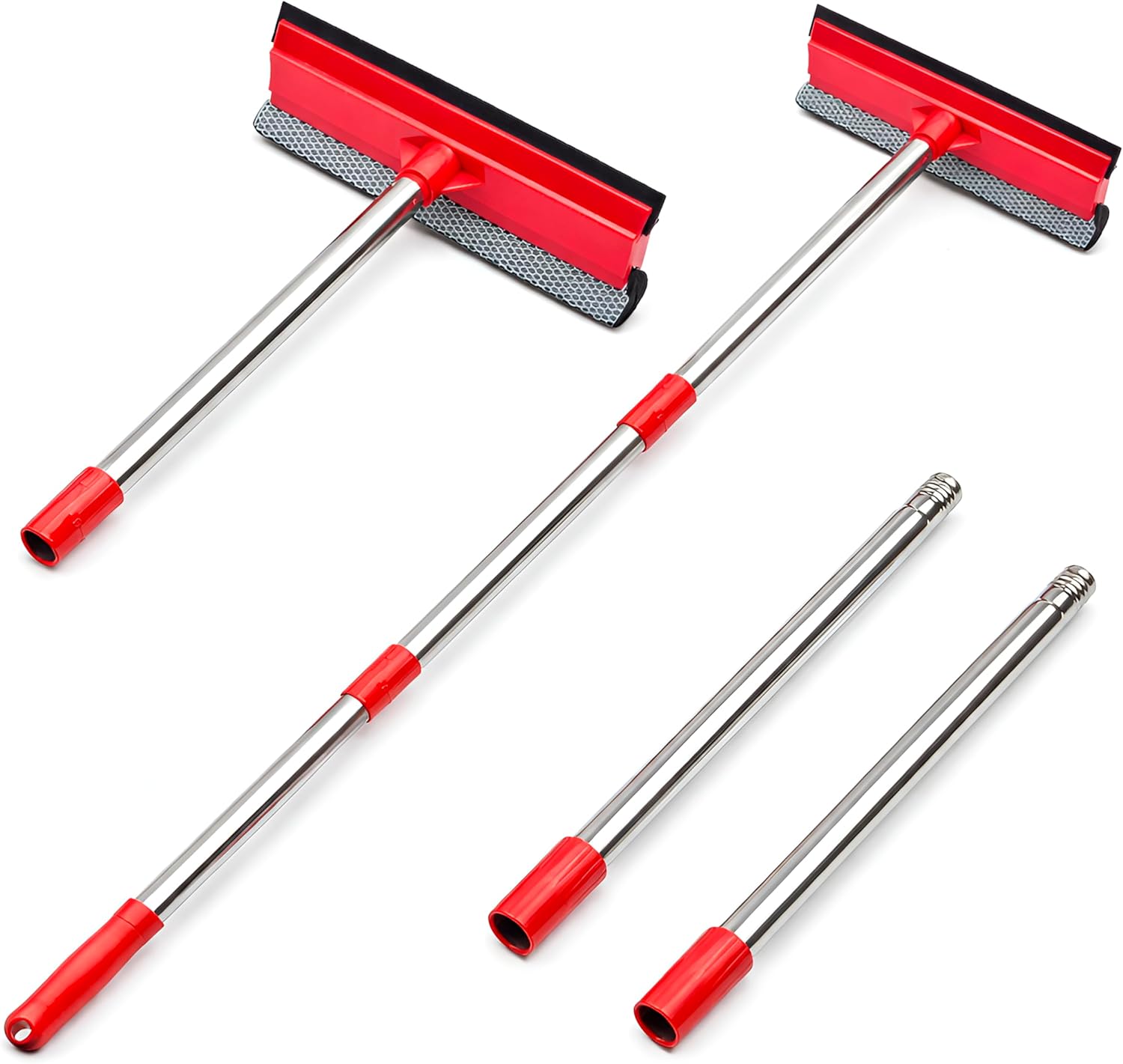
5–24 ft Telescopic Extension Pole
Our strongest starting point because 5–24 ft telescopic and Universal-style extension pole make it a practical reference point for tank size, process intensity and batch workflow.
ROI compares the annual cost of the cleaning system with labor, water and production losses it can reduce. The key input is not “how much a robot costs”; it is how much soiling loss exists and how often the site must be cleaned to recover meaningful energy.
Include purchase price, replacement brushes, batteries, transport, labor, water treatment and downtime. For manual tools, include technician hours and access equipment—not just the price of a pole.
Use measured pre/post-cleaning generation when possible. Avoid assuming every percent of visible dirt equals a percent of recoverable revenue, because weather and irradiance also move production.
For “How Do You Calculate ROI on a Solar Panel Cleaning Robot?,” these three models give you concrete products to compare against the requirements above, instead of leaving the answer at theory.

Our strongest starting point because 5–24 ft telescopic and Universal-style extension pole make it a practical reference point for tank size, process intensity and batch workflow.

A useful second comparison because 50 in. handle and Hose attachment make it a practical reference point for tank size, process intensity and batch workflow.

A contrasting third option because 55 in. extension and Squeegee + scrubber make it a practical reference point for tank size, process intensity and batch workflow.