VEVOR 10L Liquid Nitrogen Dewar YDS-10
Our strongest starting point because 10 L capacity gives you a real capacity reference while Liquid-nitrogen dewar shows the format you are comparing.
Cryogenic dewars may be described by liquid-nitrogen liters, number of canisters, vial capacity or static hold time. Those numbers answer different questions, so compare the one that matches the inventory format you actually store.
Neck diameter, canister geometry and rack design determine usable inventory. Two 20 L vessels can hold very different numbers of straws or vials.
A larger LN₂ volume can reduce refill frequency, but evaporation rate and access patterns determine real hold time. Ask for static evaporation/hold specifications when storage continuity matters.
For “How Is Cryogenic Storage Capacity Measured?,” these three models give you concrete products to compare against the requirements above, instead of leaving the answer at theory.

Our strongest starting point because 10 L capacity gives you a real capacity reference while Liquid-nitrogen dewar shows the format you are comparing.

A useful second comparison because 20 L capacity gives you a real capacity reference while Liquid-nitrogen dewar shows the format you are comparing.

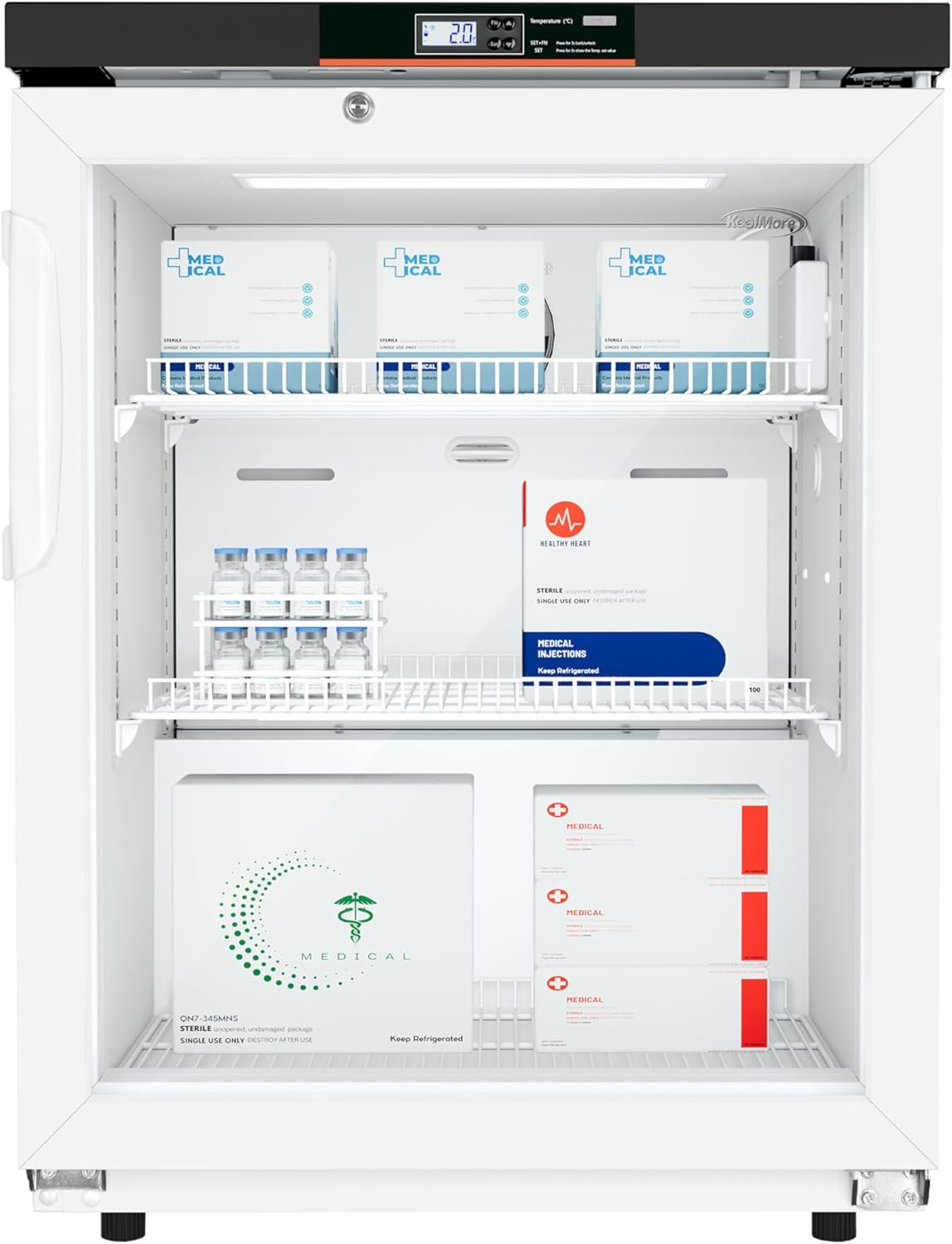
A contrasting third option because 4.5 cu. ft. gives you a real capacity reference while Medical / pharmacy refrigerator shows the format you are comparing.