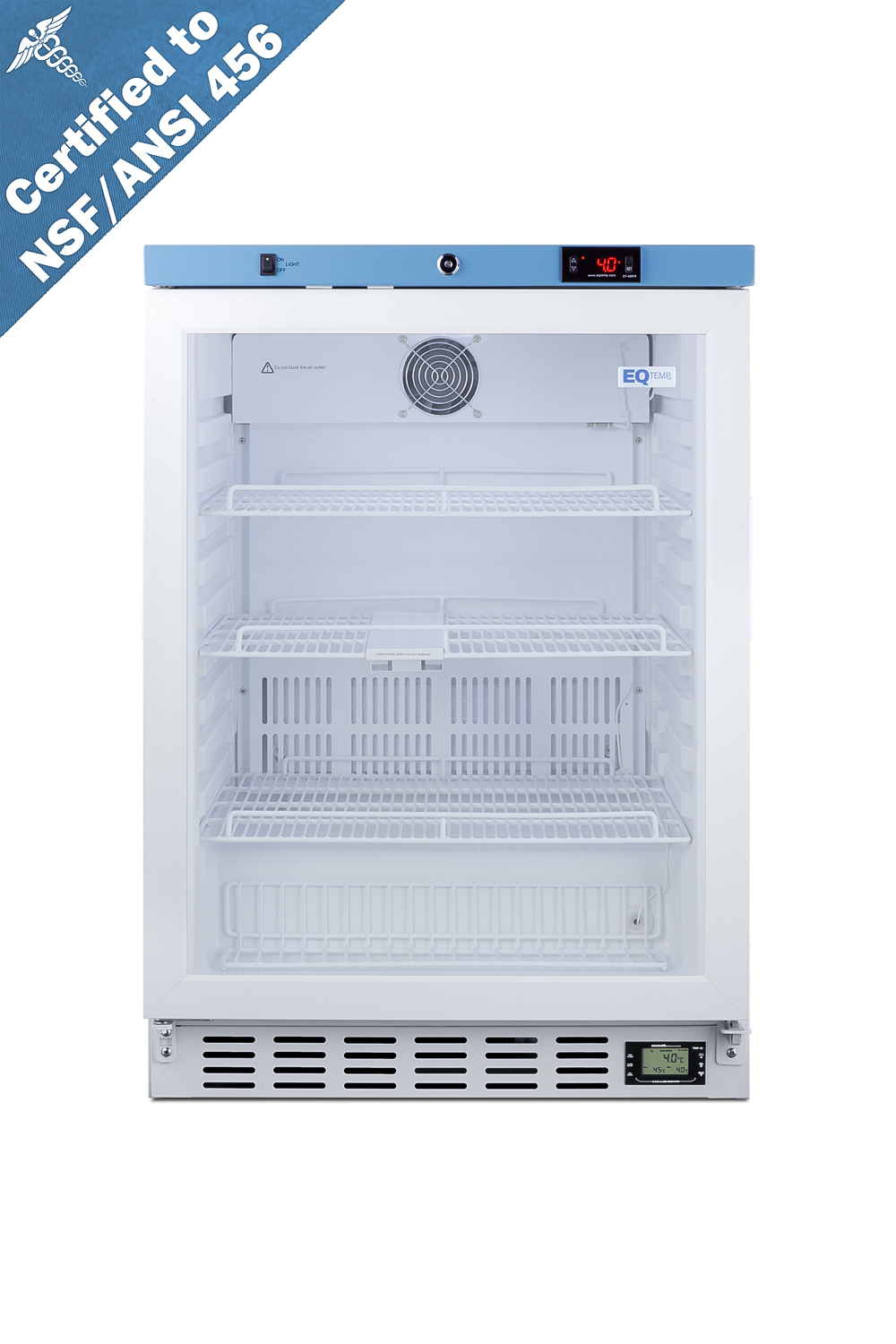
Summit ACR52GNSF456LHD Vaccine Refrigerator
Our strongest starting point because it is a 2–8°c vaccine storage class with 3.88 cu. ft., directly illustrating the storage class discussed above.
Medical and pharmacy refrigerators are designed around temperature uniformity, monitoring, alarms and rapid recovery after door openings. Household refrigerators are designed primarily for food storage and convenience, so they should not be assumed equivalent for temperature-sensitive inventory.
Purpose-built units often use fan-forced air, probe bottles, lockable doors, data logging and remote-alarm contacts. Those features help staff detect excursions before product is lost.
Vaccines, clinical trials and pharmaceuticals can have different storage and documentation rules. Buy to the strictest actual requirement, including any NSF/ANSI 456 or program-specific expectations.
For “Medical-Grade vs. Household Refrigerator: What Is the Difference?,” these three models give you concrete products to compare against the requirements above, instead of leaving the answer at theory.

Our strongest starting point because it is a 2–8°c vaccine storage class with 3.88 cu. ft., directly illustrating the storage class discussed above.

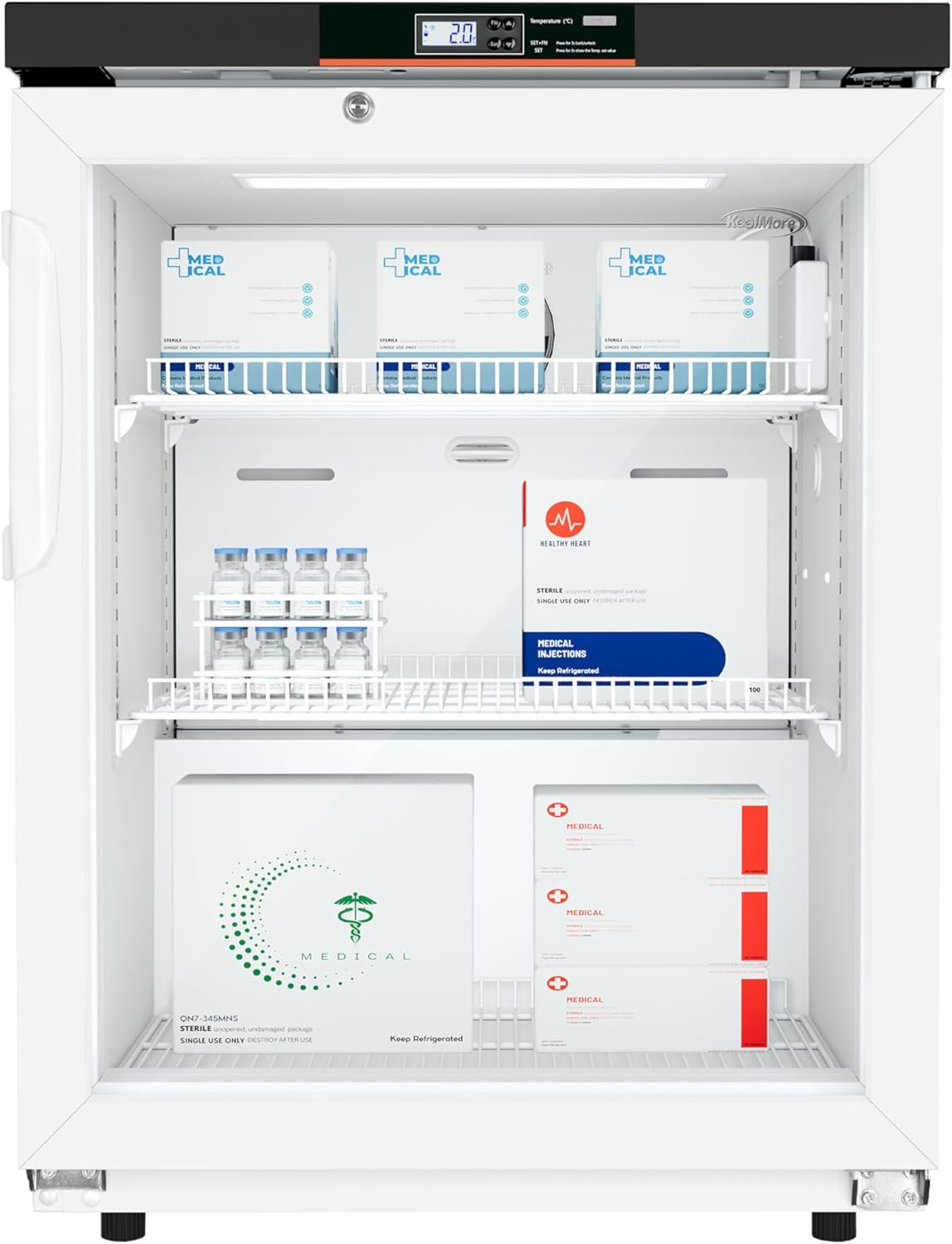
A useful second comparison because it is a medical / pharmacy refrigerator with 4.5 cu. ft., directly illustrating the storage class discussed above.

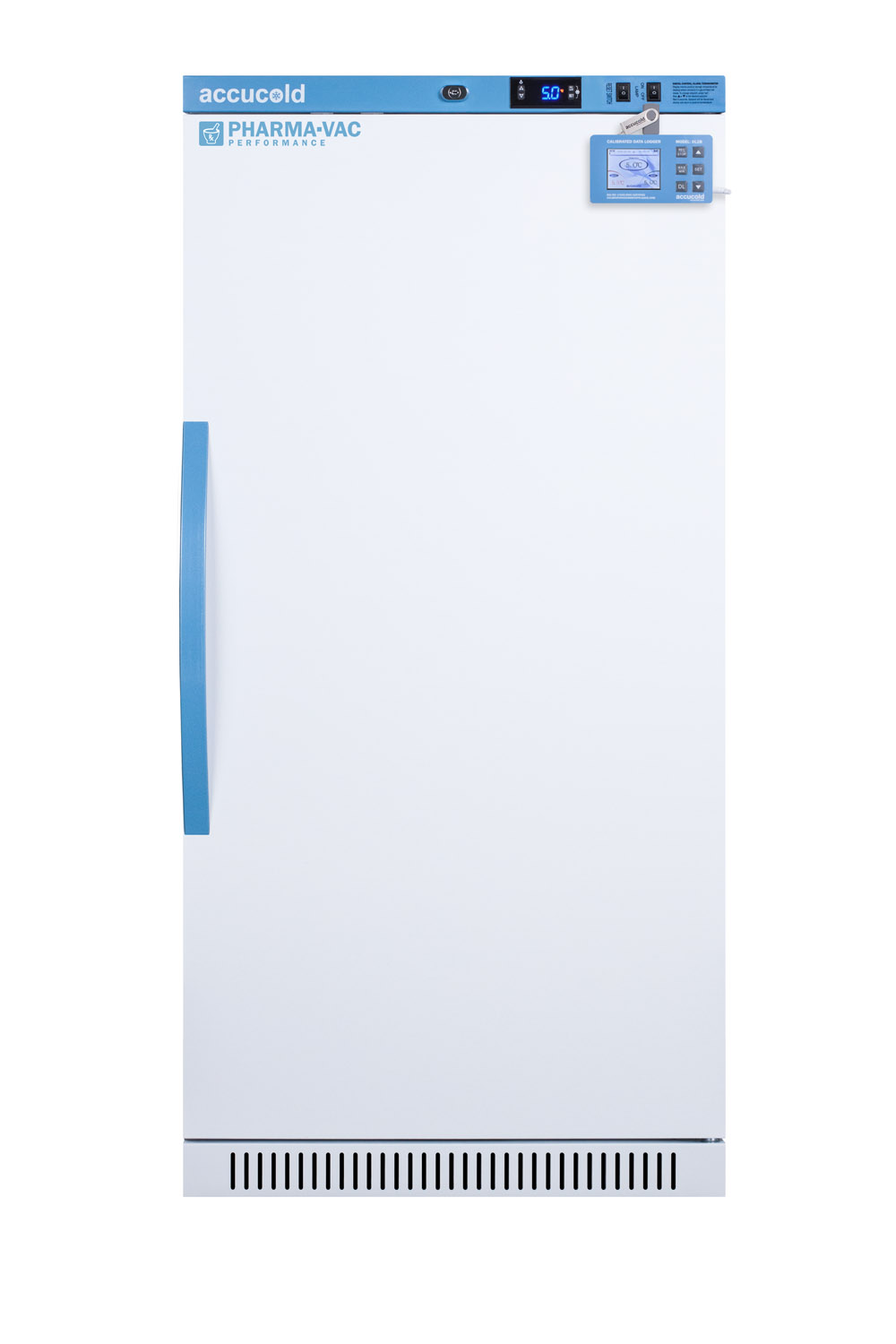
A contrasting third option because it is a vaccine refrigerator with 8 cu. ft., directly illustrating the storage class discussed above.